eCommerce Paper

Your eCommerce Growth Guide

  • Unlock Success: 12 Best Marketing Strategies for Ecommerce Growth

    In the rapidly evolving landscape of ecommerce, businesses must adopt innovative marketing strategies to thrive and achieve sustainable growth. The following twelve strategies are designed to unlock success for ecommerce ventures, ensuring they remain competitive and relevant in an increasingly digital marketplace.

    The must-have eCommerce growth marketing strategies

    If you’ve just launched an online store or are looking at scaling it, here are some of the absolute must-have eCommerce marketing strategies:

    1. Content Marketing

    Content marketing serves as the backbone of effective ecommerce strategies. By creating valuable, relevant content, brands can engage their audience, build trust, and drive traffic to their websites. This approach not only enhances brand visibility but also positions the company as an authority in its niche.

    Blog posts, videos, infographics, and podcasts are just a few formats that can be utilized to share knowledge and insights. For instance, a well-researched blog post can answer common customer queries, while engaging videos can showcase product features in a dynamic way. The key is to ensure that the content resonates with the target audience and addresses their pain points.

    Moreover, integrating SEO best practices into content marketing can amplify its reach. By optimizing content for search engines, businesses can attract organic traffic, leading to higher conversion rates. This dual approach of providing value while being discoverable is essential for ecommerce growth.

    2. Email Marketing

    Email marketing remains one of the most effective channels for ecommerce businesses. It allows for direct communication with customers, fostering relationships and encouraging repeat purchases. Personalized email campaigns can significantly enhance customer engagement, as tailored messages resonate more with recipients.

    Utilizing segmentation strategies enables brands to send targeted emails based on customer behavior, preferences, and purchase history. For example, sending a special discount to loyal customers or re-engagement emails to those who haven’t purchased in a while can drive conversions. Additionally, incorporating automated workflows can streamline the process, ensuring timely communication without overwhelming the marketing team.

    Furthermore, A/B testing different email formats, subject lines, and content can provide valuable insights into what resonates best with the audience, allowing for continuous improvement of email campaigns.

    3. Social Media Advertising

    Social media platforms have transformed into powerful advertising channels for ecommerce businesses. With billions of active users, platforms like Facebook, Instagram, and TikTok offer unparalleled opportunities to reach potential customers. By leveraging targeted advertising, brands can ensure their messages reach the right audience at the right time.

    Creating visually appealing ads that showcase products in action can capture attention and drive engagement. Additionally, utilizing features like Instagram Shopping allows users to purchase directly from posts, streamlining the shopping experience. Engaging with followers through comments and direct messages further enhances brand loyalty and customer satisfaction.

    Moreover, analyzing the performance of social media ads through metrics such as click-through rates and conversion rates can help businesses refine their strategies, ensuring they maximize their return on investment.

    4. Search Engine Optimization (SEO)

    SEO is a critical component of any ecommerce marketing strategy. By optimizing their websites for search engines, businesses can improve their visibility and attract organic traffic. This involves a combination of on-page and off-page strategies, including keyword research, content optimization, and link building.

    Understanding the keywords that potential customers are using to search for products is essential. By incorporating these keywords into product descriptions, blog posts, and meta tags, brands can enhance their chances of appearing in search results. Additionally, optimizing site speed and mobile responsiveness can improve user experience, further boosting SEO rankings.

    Furthermore, local SEO strategies can be beneficial for ecommerce businesses with physical locations. By optimizing for local search terms and ensuring accurate business listings, brands can attract nearby customers and drive foot traffic to their stores.

    5. Influencer Partnerships

    Influencer marketing has emerged as a powerful strategy for ecommerce growth. Collaborating with influencers who align with the brand’s values can help reach new audiences and build credibility. Influencers have established trust with their followers, making their endorsements highly effective in driving sales.

    Choosing the right influencers is crucial; brands should look for individuals whose audience matches their target demographic. Micro-influencers, in particular, often have higher engagement rates and can provide a more authentic connection with their followers.

    Additionally, creating unique campaigns that allow influencers to showcase products in their own style can lead to more genuine content, further enhancing the brand’s image and appeal.

    6. Pay-Per-Click Advertising (PPC)

    PPC advertising offers ecommerce businesses a way to gain immediate visibility on search engines and social media platforms. By bidding on relevant keywords, brands can place their ads at the top of search results, driving targeted traffic to their websites.

    Effective PPC campaigns require continuous monitoring and optimization. Analyzing metrics such as click-through rates, conversion rates, and cost per acquisition can help businesses refine their strategies and maximize their advertising budget. Additionally, utilizing retargeting ads can help re-engage users who have previously visited the site, increasing the likelihood of conversion.

    Moreover, experimenting with different ad formats, such as shopping ads or display ads, can provide insights into what resonates best with the audience, allowing for more effective campaigns.

    7. Affiliate Marketing

    Affiliate marketing is a performance-based strategy that allows ecommerce businesses to partner with affiliates who promote their products in exchange for a commission on sales. This approach can significantly expand a brand’s reach without the upfront costs associated with traditional advertising.

    Building a robust affiliate program involves recruiting affiliates who align with the brand’s values and target audience. Providing affiliates with the necessary tools, such as banners and product links, can facilitate their promotional efforts. Additionally, tracking affiliate performance through analytics can help identify top performers and optimize the program.

    Furthermore, offering competitive commission rates and incentives can motivate affiliates to promote products more actively, driving additional sales and brand awareness.

    8. Retargeting Campaigns

    Retargeting campaigns are an effective way to re-engage users who have previously interacted with a brand but did not complete a purchase. By displaying targeted ads to these users across various platforms, businesses can remind them of their interest and encourage them to return to the site.

    Implementing retargeting strategies involves creating custom audiences based on user behavior, such as website visits or abandoned carts. This allows brands to tailor their messaging and offers specifically to these users, increasing the likelihood of conversion.

    Additionally, analyzing the performance of retargeting ads can provide insights into user behavior and preferences, allowing for further optimization of campaigns.

    9. Customer Reviews and Testimonials

    Customer reviews and testimonials play a crucial role in building trust and credibility for ecommerce businesses. Positive reviews can significantly influence purchasing decisions, as potential customers often rely on the experiences of others before making a purchase.

    Encouraging satisfied customers to leave reviews can be achieved through follow-up emails or incentives. Displaying these reviews prominently on product pages can enhance the shopping experience and increase conversion rates. Additionally, responding to reviews, both positive and negative, demonstrates a commitment to customer satisfaction and can foster loyalty.

    Furthermore, utilizing user-generated content, such as photos or videos from customers showcasing products, can further enhance authenticity and encourage engagement.

    10. Loyalty Programs

    Loyalty programs are an effective way to retain customers and encourage repeat purchases. By rewarding customers for their loyalty, brands can foster long-term relationships and increase customer lifetime value.

    Implementing a points-based system, where customers earn points for purchases that can be redeemed for discounts or exclusive offers, can incentivize repeat business. Additionally, offering tiered rewards can motivate customers to reach higher spending levels for greater benefits.

    Moreover, promoting the loyalty program through various channels, such as email marketing and social media, can increase awareness and participation, driving additional sales.

    11. Mobile Optimization

    With the increasing prevalence of mobile shopping, optimizing ecommerce websites for mobile devices is essential. A mobile-friendly site ensures a seamless shopping experience, reducing bounce rates and increasing conversions.

    Key aspects of mobile optimization include responsive design, fast loading times, and easy navigation. Ensuring that product images and descriptions are easily viewable on smaller screens can enhance user experience. Additionally, implementing mobile payment options, such as digital wallets, can streamline the checkout process.

    Furthermore, analyzing mobile user behavior through analytics can provide insights into areas for improvement, allowing businesses to continuously enhance their mobile experience.

    12. Data Analytics and A/B Testing

    Data analytics is a powerful tool for ecommerce businesses, enabling them to make informed decisions based on customer behavior and preferences. By analyzing data from various sources, brands can identify trends, optimize marketing strategies, and enhance the overall customer experience.

    A/B testing is a crucial component of data-driven decision-making. By testing different variations of website elements, such as product pages or email campaigns, businesses can determine which versions perform better and implement changes accordingly. This iterative process allows for continuous improvement and optimization.

    Moreover, utilizing advanced analytics tools can provide deeper insights into customer journeys, helping businesses understand where customers drop off and how to improve conversion rates.

    Conclusion

    In conclusion, implementing these twelve marketing strategies can significantly enhance ecommerce growth. By focusing on customer engagement, leveraging technology, and continuously optimizing efforts, businesses can unlock their potential for success in the competitive ecommerce landscape.

    Ready to take your online store to the next level? Visit eCommerce Paper for a deep dive into the latest trends, strategies, and tools that will help you drive sales and grow your business.

    Don’t miss out on the opportunity to transform your ecommerce venture. Read more and start implementing these top marketing strategies today!

    Looking for help with marketing? Feel free to reach out to our partners – The Content Kettle.

  • Discover the 12 Best eCommerce Podcasts for Expert Insights and Strategies

    In the rapidly evolving world of ecommerce, staying informed and gaining insights from industry experts is crucial for success. Podcasts have emerged as a popular medium for learning, offering a wealth of knowledge and strategies from seasoned professionals.

    Here, we delve into twelve of the best ecommerce podcasts that provide valuable insights and actionable strategies for anyone looking to thrive in the online marketplace.

    The best eCommerce podcasts to subscribe to

    If you’re an audio learner and want to juggle your day-to-day business while taking lessons, here are some of the best eCommerce podcasts to tune into:

    The Smart Passive Income Podcast

    Hosted by Pat Flynn, The Smart Passive Income Podcast is a treasure trove of information for aspiring entrepreneurs and seasoned business owners alike. Pat shares his journey of building a successful online business while emphasizing the importance of transparency and authenticity. Each episode features interviews with successful entrepreneurs who share their experiences, challenges, and strategies for creating passive income streams.

    Listeners can expect to learn about various topics, including online marketing, affiliate marketing, and business automation. The podcast also covers essential tools and resources that can help streamline operations and enhance productivity. With a focus on actionable advice, Pat encourages his audience to take bold steps toward achieving their financial goals.

    eCommerce Fuel

    eCommerce Fuel, hosted by Andrew Youderian, is tailored specifically for established ecommerce entrepreneurs. This podcast dives deep into the nuances of running a successful online business, exploring topics such as community building, innovation, and paid traffic strategies. Andrew often invites guests from the eCommerce Fuel community, allowing listeners to hear firsthand accounts of success and lessons learned.

    Listeners will find episodes that address pressing issues in the ecommerce landscape, such as pricing strategies in an inflationary world and the intricacies of financing growth at different business stages. The podcast is a must-listen for those looking to scale their ecommerce ventures and gain insights from industry leaders.

    The Unofficial Shopify Podcast

    For Shopify store owners, The Unofficial Shopify Podcast, hosted by Kurt Elster, is an invaluable resource. This podcast offers practical insights and actionable advice tailored to the unique challenges faced by Shopify merchants. Kurt discusses a wide range of topics, from marketing strategies to success stories that inspire and motivate listeners.

    Each episode is packed with tips and tutorials that can help store owners optimize their operations and enhance customer experiences. Whether you are just starting out or looking to refine your existing Shopify store, this podcast provides the tools and knowledge necessary to succeed in the competitive ecommerce landscape.

    My Wife Quit Her Job

    Hosted by Steve Chou, My Wife Quit Her Job chronicles the journey of transitioning from a traditional job to running a successful online business. Steve shares his personal experiences and insights, making it relatable for listeners who aspire to achieve similar goals. The podcast features interviews with successful entrepreneurs who have made the leap into ecommerce, providing valuable lessons and strategies.

    Listeners will gain insights into various aspects of ecommerce, including product selection, marketing, and the importance of work-life balance. Steve’s engaging storytelling and practical advice make this podcast a favorite among aspiring ecommerce entrepreneurs.

    The Ecommerce Influence Podcast

    Hosted by Austin Brawner, The Ecommerce Influence Podcast focuses on conversion rate optimization and effective ecommerce marketing strategies. Austin interviews industry experts to uncover the tactics that drive success in the ecommerce space. The podcast covers a wide range of topics, from email marketing to customer retention strategies.

    Listeners can expect to gain actionable insights that can be implemented immediately to boost profitability and enhance overall business performance. The emphasis on data-driven decision-making sets this podcast apart, making it a valuable resource for ecommerce professionals looking to refine their strategies.

    Online Marketing Made Easy

    Hosted by Amy Porterfield, Online Marketing Made Easy is a podcast that delves into the world of digital marketing with a focus on actionable strategies. While not exclusively about ecommerce, Amy’s insights into online marketing are invaluable for ecommerce entrepreneurs looking to enhance their marketing efforts.

    Listeners will learn about creating effective sales funnels, leveraging social media, and building email lists. Amy’s approachable style and clear explanations make complex marketing concepts accessible to all, making this podcast a must-listen for anyone involved in ecommerce.

    The Fizzle Show

    The Fizzle Show, hosted by Corbett Barr, Chase Reeves, and Steph Crowder, is designed for entrepreneurs who want to build sustainable online businesses. The hosts share their experiences and insights, discussing the challenges and triumphs of running a business. The podcast covers a variety of topics, including marketing, product development, and the importance of community.

    Listeners will appreciate the candid discussions and practical advice that can be applied to their own ecommerce ventures. The Fizzle Show emphasizes the importance of finding your niche and building a brand that resonates with your audience.

    The Side Hustle Show

    Hosted by Nick Loper, The Side Hustle Show is perfect for those looking to start an ecommerce business alongside their full-time job. Nick interviews successful side hustlers who share their stories and strategies for balancing work and entrepreneurship. The podcast covers various side hustle ideas, including ecommerce, affiliate marketing, and freelancing.

    Listeners will gain insights into time management, productivity hacks, and the mindset needed to succeed in both their day jobs and side ventures. This podcast is an excellent resource for anyone looking to explore the world of ecommerce while maintaining their current employment.

    Shopify Masters

    Shopify Masters, hosted by Shuang Esther Shan, is Shopify’s flagship podcast that features interviews with successful entrepreneurs who have built thriving businesses on the platform. Each episode provides insights into the strategies and tactics that have led to their success, making it a valuable resource for Shopify users.

    Listeners can expect to learn about product sourcing, marketing strategies, and the importance of customer engagement. The podcast’s focus on real-world experiences and actionable advice makes it a must-listen for anyone looking to maximize their Shopify store’s potential.

    The Retail Focus Podcast

    The Retail Focus Podcast offers a comprehensive look at the retail industry, including ecommerce trends and innovations. Hosted by a team of retail experts, the podcast covers a wide range of topics, from consumer behavior to the latest technology shaping the retail landscape.

    Listeners will gain insights into the challenges and opportunities facing retailers today, making it a valuable resource for ecommerce professionals looking to stay ahead of the curve. The podcast’s focus on industry trends and expert analysis provides a well-rounded perspective on the retail and ecommerce sectors.

    The Marketing Book Podcast

    Hosted by Douglas Burdett, The Marketing Book Podcast features interviews with authors of the latest marketing books. While not exclusively focused on ecommerce, the insights shared by marketing experts are highly relevant for ecommerce entrepreneurs looking to enhance their marketing strategies.

    Listeners will discover new marketing concepts, tactics, and tools that can be applied to their ecommerce businesses. The podcast’s emphasis on actionable insights makes it a valuable resource for anyone looking to improve their marketing efforts and drive sales.

    The Business of Fashion Podcast

    The Business of Fashion Podcast explores the intersection of fashion and ecommerce, making it a must-listen for those in the fashion retail space. Hosted by Imran Amed, the podcast features interviews with industry leaders and discussions on the latest trends shaping the fashion industry.

    Listeners will gain insights into the challenges and opportunities facing fashion retailers in the ecommerce landscape. The podcast’s focus on innovation and sustainability provides a unique perspective on the future of fashion and ecommerce.

    Conclusion

    In conclusion, these twelve ecommerce podcasts offer a wealth of knowledge and insights that can help entrepreneurs navigate the complexities of the online marketplace. By subscribing to these podcasts, ecommerce professionals can stay informed, inspired, and equipped with the strategies needed to succeed in their ventures.

    Now that you’ve discovered the top ecommerce podcasts to fuel your knowledge, take the next step in your journey with eCommerce Paper. Our platform is dedicated to guiding you through the ever-changing world of online retail.

    From the latest trends to practical strategies and tools, we’re here to help you boost your sales and grow your eCommerce business. Ready to dive deeper? Read More at eCommerce Paper and stay ahead of the curve.

  • 35 Profitable eCommerce Business Ideas

    In 2025, the ecommerce landscape is overflowing with opportunities for entrepreneurs eager to delve into profitable niches. Whether you’re a seasoned seller or just starting out, exploring the right business ideas can set you on the path to success. Here’s a list of 35 lucrative ecommerce business ideas, organized into categories that reflect current consumer demands and technological advancements.

    Best eCommerce Business Ideas to get started with

    Looking for inspiration to start your own eCommerce business? Here are some tried and tested business ideas:

    1. Sustainable and Eco-Friendly Products

    • Reusable Household Items: Beeswax wraps and silicone food storage bags are not only eco-friendly but also cost-effective, offering consumers a sustainable alternative to single-use plastics.
    • Eco-Friendly Personal Care: Bamboo toothbrushes and solid shampoo bars are gaining popularity as consumers seek natural and biodegradable options for their daily routines.
    • Sustainable Fashion: Clothing made from organic or recycled materials is in high demand, appealing to environmentally conscious consumers who prioritize ethical production.
    • Biodegradable Packaging Solutions: As the push for sustainability grows, businesses are turning to biodegradable packaging to reduce their environmental footprint.

    2. Personalized and Custom Products

    • Custom Apparel: Print-on-demand t-shirts and hats allow customers to express their individuality with unique designs tailored to their preferences.
    • Engraved Gifts: Jewelry and mugs with personalized engravings make for cherished keepsakes, perfect for special occasions.
    • Custom Home Decor: Canvas prints and cushions provide a personal touch to home interiors, allowing customers to showcase their style.
    • Digital Customization: Personalized video messages and custom playlists offer a unique way to connect with loved ones, making every occasion memorable.

    3. Health and Wellness Products

    • Organic Supplements: Spirulina, turmeric, and ashwagandha are popular choices for those seeking natural ways to boost their health and wellness.
    • Home Fitness Equipment: With the rise of home workouts, yoga mats and resistance bands are essential for fitness enthusiasts looking to stay active.
    • Mental Wellness Products: Stress relief kits and sleep aids are increasingly sought after as people prioritize mental health and relaxation.
    • Wearable Health Technology: Devices that monitor heart rate and sleep patterns are revolutionizing personal health management, offering real-time insights.

    4. Subscription-Based Services

    • Niche Subscription Boxes: Gourmet snacks, pet supplies, and hobby kits cater to specific interests, providing a curated experience for subscribers.
    • Digital Content Subscriptions: Online courses and exclusive media offer valuable content, allowing consumers to learn and be entertained at their convenience.
    • Meal Kit Delivery Services: These services simplify meal preparation, offering pre-portioned ingredients and recipes for delicious home-cooked meals.
    • Pet Product Subscriptions: Pet owners appreciate the convenience of regular deliveries of essentials and treats for their furry friends.

    5. Dropshipping and Print-on-Demand

    • Dropshipping: This model allows entrepreneurs to offer a wide range of products without the hassle of inventory management, reducing overhead costs.
    • Print-on-Demand Merchandise: T-shirts, mugs, and phone cases can be customized and produced on demand, minimizing waste and maximizing creativity.

    6. Smart Home and Tech Accessories

    • Smart Home Devices: Thermostats, security cameras, and IoT solutions enhance convenience and security, making homes smarter and more efficient.
    • Innovative Gadgets: Wearable tech and smart kitchen appliances are transforming everyday tasks, offering futuristic functionality and ease.
    • Device Accessories: Protective cases and charging stations are essential for tech-savvy consumers looking to protect and power their devices.

    7. DIY Craft Kits for Adults

    • Candle-Making Kits: These kits provide everything needed to create personalized candles, offering a relaxing and creative outlet.
    • Painting Kits: With guided instructions and quality materials, painting kits inspire creativity and artistic expression.
    • Embroidery Kits: Perfect for beginners and experienced crafters alike, these kits offer a satisfying way to create beautiful, handmade items.

    8. Recommerce (Reselling Used Items)

    • Vintage Clothing: The demand for unique and sustainable fashion makes vintage clothing a popular choice for eco-conscious shoppers.
    • Refurbished Electronics: Offering quality tech at a fraction of the cost, refurbished electronics appeal to budget-savvy consumers.
    • Collectibles and Rare Items: From rare books to limited-edition toys, collectors are always on the hunt for unique finds.
    • Upcycled or Vintage Furniture: These pieces add character and sustainability to home decor, appealing to those who value craftsmanship and history.

    9. Personalized Health and Beauty Products

    • Custom Skincare Products: Tailored to individual skin needs, these products offer a personalized approach to beauty and skincare.
    • Personalized Fragrances: Custom scents allow consumers to create a signature fragrance that reflects their personality.
    • Bespoke Cosmetics: Offering unique shades and formulations, bespoke cosmetics cater to diverse beauty preferences.
    • Customized Wellness Plans: These plans provide tailored guidance for achieving personal health and wellness goals.

    10. Selling on Marketplaces

    • Amazon FBA: With efficient order processing and global reach, Amazon FBA is a powerful platform for scaling ecommerce businesses.
    • eBay: Known for its diverse range of new and used goods, eBay offers sellers a broad audience and flexible selling options.
    • Walmart Marketplace: With a large customer base, Walmart Marketplace provides sellers with significant exposure and potential sales.
    • Etsy: Ideal for handmade, vintage, and craft items, Etsy connects creative sellers with buyers seeking unique products.

    Conclusion

    Choosing the right ecommerce business idea is crucial for success in 2025’s dynamic online market. By aligning product offerings with current consumer trends and leveraging innovative business models, sellers can build profitable and resilient online ventures.

    Ready to turn these ideas into reality and skyrocket your online store’s success?

    Visit eCommerce Paper to dive deeper into the world of ecommerce. Our platform is dedicated to helping you stay ahead of the curve with the latest trends, strategies, and tools.

    Whether you’re just starting out or looking to scale up, eCommerce Paper is your go-to resource for all things ecommerce. Don’t miss out on the opportunity to grow your business – click through to Read More and embark on your journey to ecommerce excellence today!

  • 15 Best Ecommerce Platforms, Features, Pricing and Who They Are Best Suited For

    Choosing the right ecommerce platform is a critical decision for any business aiming to succeed online. With the ecommerce landscape evolving rapidly in 2025, there are numerous platforms available, each tailored to different needs, budgets, and technical abilities. Whether you’re a small business owner, a growing brand, or a large enterprise, understanding the strengths and pricing of these platforms can help you make an informed choice.

    This comprehensive guide explores 15 of the best ecommerce platforms available today, highlighting their key features, pricing structures, and the types of businesses they best serve.

    Top Ecommerce Platforms for Every Business Size

    Here are the best eCommerce platforms for businesses to start their online store on:

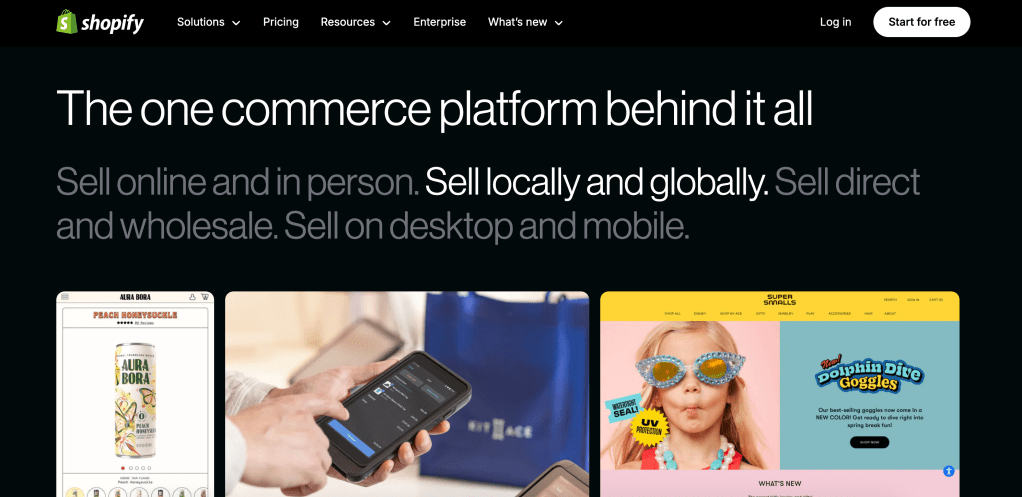
    1. Shopify: The All-Rounder for Scalability

    Shopify remains a dominant player in ecommerce, known for its user-friendly interface and robust ecosystem. It offers secure hosting, automatic updates, and 24/7 customer support, which makes it a reliable choice for businesses of all sizes. With over 8,000 third-party apps, Shopify can be customized extensively to fit various business needs.

    Pricing starts at $29 per month, with enterprise-level solutions scaling up to $2,300 per month. This pricing flexibility allows startups and large corporations alike to find a suitable plan. Shopify’s integrated payment processing and point-of-sale system make it especially appealing for businesses looking to unify their online and offline sales.

    Ideal for businesses seeking a comprehensive and scalable ecommerce solution, Shopify is perfect whether you’re launching your first online store or expanding an established brand. Additionally, Shopify provides a variety of themes that cater to different industries, allowing businesses to create a unique brand identity. The platform also supports various sales channels, including social media and marketplaces, enabling merchants to reach a wider audience. For more details, visit Shopify’s review on TechRadar.

    2. WooCommerce: Best for WordPress Users Who Want Full Control

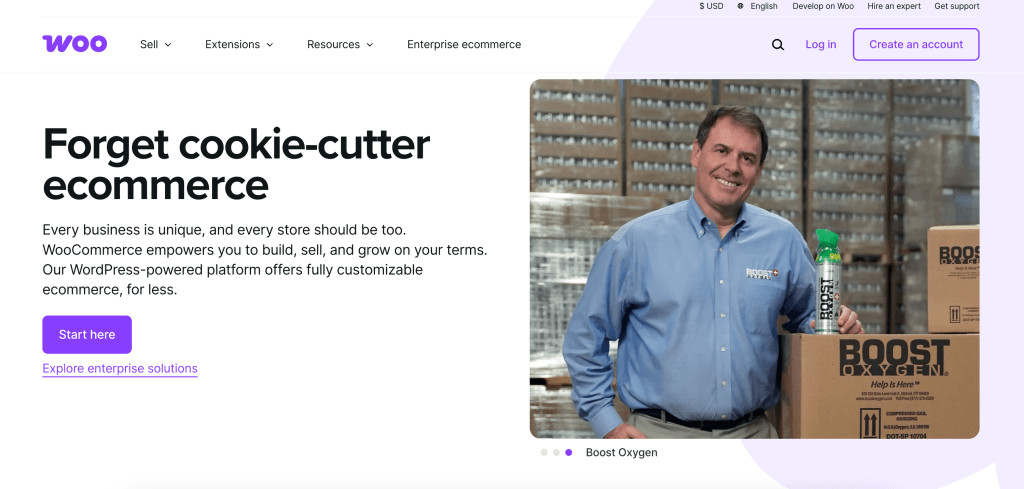
    WooCommerce is a free WordPress plugin that transforms any WordPress site into a fully functional online store. Its biggest advantage is the level of customization it offers, thanks to its extensive plugin ecosystem and SEO-friendly architecture.

    While the plugin itself is free, users should budget for hosting, premium themes, and additional plugins to enhance functionality. This makes WooCommerce a cost-effective option for those already familiar with WordPress and comfortable managing some technical aspects.

    It’s an excellent choice for existing WordPress users who want complete control over their online store’s design and functionality. The flexibility of WooCommerce allows users to tailor their ecommerce experience, from payment gateways to shipping options, ensuring that they can meet specific customer needs.

    Moreover, the active community surrounding WooCommerce provides a wealth of resources, tutorials, and forums for troubleshooting and enhancements. Learn more about WooCommerce’s capabilities at The Brandsmen’s 2025 ecommerce guide.

    3. BigCommerce: Robust Features Without Transaction Fees

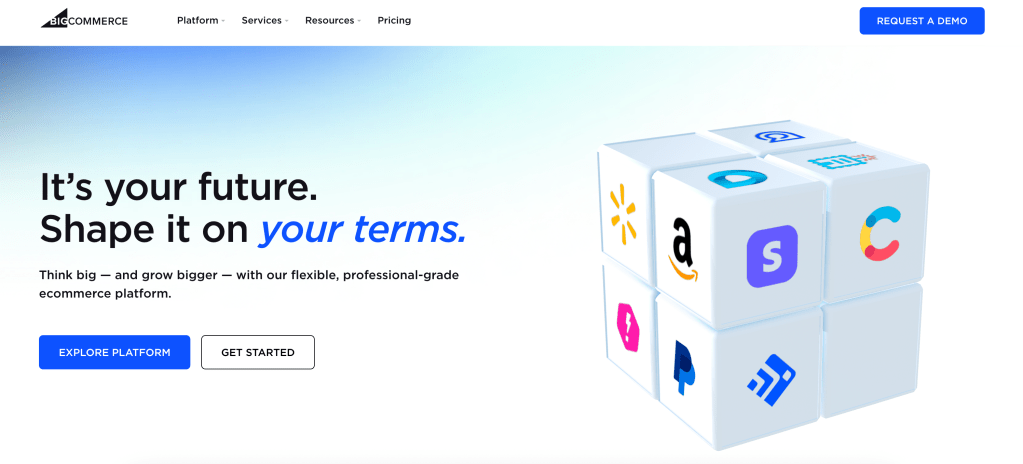
    BigCommerce offers an impressive set of built-in features such as no transaction fees, unlimited products, advanced SEO tools, and multi-channel selling capabilities. This makes it a strong contender for growing businesses that want to avoid reliance on third-party apps.

    Pricing starts at $39 per month, which is competitive given the extensive features included out of the box. BigCommerce’s focus on scalability and SEO optimization helps businesses increase visibility and sales efficiently.

    Additionally, BigCommerce supports various payment gateways and offers tools for abandoned cart recovery, which can significantly enhance conversion rates. Its robust analytics dashboard allows business owners to track performance metrics and make data-driven decisions.

    For businesses aiming to grow without worrying about transaction fees or complex integrations, BigCommerce is a solid choice. More information can be found at All About Shopping’s platform comparison.

    4. Wix eCommerce: Ideal for Small Businesses and Beginners

    Wix eCommerce stands out with its intuitive drag-and-drop builder and AI-powered design assistance, making it easy for beginners to create attractive online stores without coding knowledge. Integrated marketing tools help small businesses promote their products effectively.

    Plans start at $27 per month, offering a good balance between affordability and functionality. Wix is particularly well-suited for small businesses and entrepreneurs who want design flexibility combined with straightforward ecommerce features.

    Moreover, Wix offers a variety of templates tailored for different industries, ensuring that users can find a design that resonates with their brand. The platform also includes features like social media integration and email marketing tools, allowing businesses to engage with their customers more effectively. Discover more about Wix’s user-friendly approach at Tom’s Guide website builders review.

    5. Magento (Adobe Commerce): The Enterprise Powerhouse

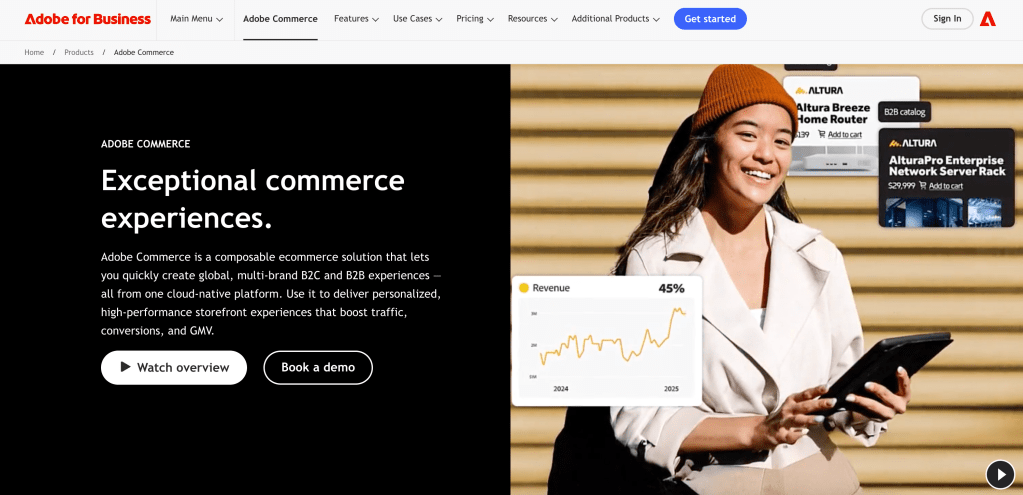
    Magento, now part of Adobe Commerce, is designed for large enterprises requiring extensive customization and advanced features. It supports complex product catalogs and offers AI-powered analytics to optimize sales and customer experience.

    The Open Source version is free, but enterprise Commerce plans can range from $22,000 to $125,000 annually, reflecting its suitability for businesses with substantial budgets and technical resources.

    Magento is ideal for companies that need a highly scalable and customizable platform with powerful analytics. Its extensive API support allows for seamless integration with various third-party services, enhancing the overall functionality of the ecommerce store. Additionally, Magento’s community edition has a vibrant ecosystem of developers and users who contribute to its continuous improvement. For a deeper dive, visit Shopping Cart Migration’s top ecommerce platforms.

    Platforms Focused on Design and Ease of Use

    If you’re looking to get started quickly, here are some platforms to consider:

    6. Squarespace: Sleek Designs for Creatives

    Squarespace is renowned for its visually stunning templates and strong ecommerce tools. AI layout suggestions help users create polished websites with minimal effort, making it a favorite among creatives and design-focused businesses.

    Starting at $16 per month, Squarespace offers an affordable entry point for those prioritizing aesthetics alongside ecommerce functionality.

    It’s perfect for artists, photographers, and small brands that want a beautiful online presence without sacrificing ecommerce capabilities. Check out the comparison at TechRadar’s Squarespace vs Hostinger.

    7. Hostinger: Budget-Friendly with AI Tools

    Hostinger provides affordable pricing starting as low as $2.99 per month, combined with AI-powered tools that assist in quick website creation. Its value-for-money proposition makes it attractive for budget-conscious users and small businesses.

    The platform balances cost and features effectively, offering a straightforward way to get an online store up and running without a large upfront investment.

    Hostinger is ideal for startups and small businesses looking for a fast, AI-assisted website builder on a budget. More details are available at TechRadar’s best website builders.

    8. Weebly: Simple and Accessible Ecommerce

    Weebly offers a free plan with ecommerce capabilities, making it accessible for users just starting out. Its simple design tools and solid built-in features provide a no-fuss way to launch an online store.

    Paid plans start at $6 per month, which is highly affordable for small businesses and hobbyists.

    Weebly is best for those who want a straightforward, budget-friendly platform with essential ecommerce features.

    9. GoDaddy: Streamlined for Small Business Owners

    GoDaddy combines an intuitive platform with enhanced AI tools through its Airo system, streamlining site creation and marketing processes. Plans start at $9.99 per month, making it an affordable option for small business owners.

    The platform is designed to simplify the complexities of ecommerce, allowing entrepreneurs to focus on their products and customers.

    GoDaddy is well-suited for small businesses seeking simplicity and affordability without sacrificing essential ecommerce functions.

    Specialized Platforms for Adding Ecommerce or Multi-Channel Selling

    If you intend to sell across multiple channels, here are some platforms that you can consider:

    10. Ecwid: Ecommerce Integration for Existing Websites

    Ecwid stands out by allowing businesses to add ecommerce functionality to their existing websites seamlessly. It supports over 70 payment processing options and offers an intuitive online store builder.

    Plans start at $5 per month, with a free tier available that includes limited features. This makes Ecwid a cost-effective way to expand an existing online presence with ecommerce capabilities.

    It’s an excellent choice for businesses that want to maintain their current website but add a robust online store. For more, visit Forbes Advisor’s ecommerce platform guide.

    Summary of Other Popular Platforms

    Some platforms appear multiple times due to their popularity and broad appeal. For example, Shopify, WooCommerce, BigCommerce, and Wix eCommerce are frequently highlighted for their balance of features, pricing, and user-friendliness.

    Each platform has nuances that make it better suited for specific business models:

    • Shopify is the go-to for scalability and comprehensive support.
    • WooCommerce offers unmatched customization for WordPress users.
    • BigCommerce excels at built-in features with no transaction fees.
    • Wix eCommerce is perfect for beginners wanting design flexibility.

    How to Choose the Right Ecommerce Platform for Your Business

    When selecting an ecommerce platform, consider the following factors carefully:

    1. Business Size and Growth Plans

    Small businesses and startups may prioritize ease of use and cost-effectiveness, while larger enterprises might need advanced customization and scalability. Platforms like Shopify and BigCommerce offer plans that grow with your business, whereas Magento suits large-scale operations with complex needs.

    2. Technical Expertise

    If you have limited technical skills, platforms with drag-and-drop builders and AI assistance like Wix or Squarespace can simplify website creation. Conversely, WooCommerce and Magento require more hands-on technical management but provide greater control.

    3. Budget

    Budget constraints influence your choice significantly. Free or low-cost options like WooCommerce (excluding hosting) and Weebly’s free plan are attractive for those starting out. Enterprise platforms like Magento involve substantial investment but offer powerful features.

    4. Features and Integrations

    Consider the features essential for your business—multi-channel selling, SEO tools, payment gateways, and marketing integrations. Platforms like BigCommerce and Shopify have extensive ecosystems, while Ecwid is ideal for integrating ecommerce into existing sites.

    5. Design and User Experience

    For brands where aesthetics matter, Squarespace and Wix offer beautiful templates and design flexibility. A visually appealing store can significantly enhance customer engagement and sales.

    Conclusion

    In 2025, the ecommerce platform market offers diverse options tailored to different business needs. From the scalable and feature-rich Shopify and BigCommerce to the customizable WooCommerce and design-focused Squarespace, there is a platform for every type of seller.

    Careful evaluation of your business size, technical skills, budget, and desired features will guide you to the best choice. Leveraging the right platform can streamline your online store’s launch and growth, helping you reach customers effectively and efficiently.

    Now that you’ve explored the top ecommerce platforms of 2025, take the next step in growing your online store with eCommerce Paper. Dive into our extensive resources for the latest trends, strategies, and tools that will help you boost your sales and expand your business. Read More at eCommerce Paper and turn your ecommerce goals into reality.

  • The Growth of Ecommerce Industry and the New Challenges Businesses Are Facing

    The eCommerce industry has experienced unprecedented growth over the past decade, transforming the way consumers shop and how businesses operate. Fueled by technological advancements, changing consumer behaviors, and global connectivity, online retail has become a dominant force in the global economy.

    However, with rapid expansion come new challenges that businesses must navigate to remain competitive and sustainable in this dynamic landscape.

    In this post, we explore some of these challenges.

    The meteoric rise of eCommerce

    Here’s a glimpse into the eCommerce industry growth and what has been enabling it over the years:

    From niche market to mainstream retail powerhouse

    What began as a niche market in the late 1990s has now evolved into a retail giant that accounts for a significant portion of global sales. Early pioneers like Amazon and eBay paved the way for a digital shopping revolution, introducing consumers to the convenience of purchasing products from the comfort of their homes.

    Today, virtually every retail category – from fashion and electronics to groceries and luxury goods – has a robust online presence. The landscape of eCommerce has transformed dramatically, with brands now competing not just on price but also on customer experience, engagement, and loyalty.

    The COVID-19 pandemic further accelerated this trend, pushing millions of consumers online as physical stores faced restrictions and closures.

    According to recent studies, global eCommerce sales surpassed $5 trillion in 2022, a figure expected to continue growing annually. This surge has encouraged businesses of all sizes to invest heavily in digital platforms, mobile apps, and integrated payment solutions.

    Small businesses, in particular, have leveraged eCommerce to reach customers beyond their local markets, often utilizing social media platforms to create engaging shopping experiences that resonate with their audiences.

    Technological advancements driving growth

    Several technological innovations have played a pivotal role in the expansion of eCommerce. High-speed internet and smartphone penetration have made online shopping accessible to wider audiences.

    Artificial intelligence (AI) and machine learning enable personalized shopping experiences, while augmented reality (AR) allows customers to virtually try products before purchasing. These technologies not only enhance the shopping experience but also empower retailers to analyze consumer behavior more effectively, tailoring their offerings to meet evolving demands.

    Moreover, advancements in logistics and supply chain management have improved delivery speed and reliability. Automated warehouses, real-time tracking, and drone deliveries are no longer futuristic concepts but active components of many eCommerce operations.

    These technologies not only enhance customer satisfaction but also reduce operational costs, making online retail more efficient and scalable. As consumers increasingly expect faster shipping options, companies are investing in innovative solutions such as micro-fulfillment centers and same-day delivery services, further blurring the lines between online and offline shopping experiences.

    This relentless push for efficiency and convenience is reshaping the entire retail landscape, prompting traditional brick-and-mortar stores to rethink their strategies in order to remain competitive in an ever-evolving marketplace.

    Emerging challenges in the evolving eCommerce landscape

    But as with every opportunity that comes our way, here are some challenges that eCommerce businesses are now facing:

    Intensified competition and market saturation

    As more businesses enter the online marketplace, competition has become fiercer than ever. The barrier to entry is relatively low, enabling small startups and individual sellers to compete alongside established brands. While this democratization of commerce benefits consumers through increased choices and competitive pricing, it creates significant challenges for businesses striving to differentiate themselves.

    Market saturation means that simply having an online presence is no longer enough. Companies must invest in unique branding, superior customer service, and innovative marketing strategies to capture attention. Search engine optimization (SEO), social media engagement, and influencer partnerships have become critical tools in standing out amid the noise.

    Additionally, the rise of niche markets has led to the emergence of specialized brands that cater to specific consumer needs, further complicating the competitive landscape. This trend not only intensifies rivalry but also encourages businesses to continuously innovate their offerings to stay relevant and appealing to their target demographics.

    Supply chain disruptions and fulfillment complexities

    The global nature of eCommerce means that supply chains are often complex and vulnerable to disruptions. Events such as the COVID-19 pandemic, geopolitical tensions, and natural disasters have exposed weaknesses in traditional supply networks. Delays, shortages, and increased shipping costs have become common challenges that directly impact customer satisfaction.

    To mitigate these risks, businesses are exploring diversified sourcing strategies, local warehousing, and advanced inventory management systems. However, these solutions require significant investment and operational adjustments. Balancing cost efficiency with reliability remains a delicate task for many eCommerce companies.

    Moreover, the shift towards sustainability is prompting businesses to rethink their supply chain practices, pushing them to adopt eco-friendly materials and processes. This not only addresses consumer demand for sustainable products but also aligns with global efforts to combat climate change, making it a critical consideration in the evolving eCommerce landscape.

    Data privacy and cybersecurity concerns

    With the vast amount of personal and financial data exchanged during online transactions, data privacy and cybersecurity have become paramount concerns. High-profile data breaches and cyberattacks have eroded consumer trust and led to stricter regulatory frameworks worldwide, such as the General Data Protection Regulation (GDPR) in Europe and the California Consumer Privacy Act (CCPA) in the United States.

    Businesses must now implement robust security measures to protect customer information, including encryption, multi-factor authentication, and continuous monitoring. Compliance with evolving regulations also demands transparency in data collection and usage practices. Failure to address these issues can result in legal penalties and long-term reputational damage.

    Furthermore, as technology advances, so do the tactics employed by cybercriminals, making it imperative for eCommerce companies to stay ahead of potential threats. Investing in employee training and fostering a culture of cybersecurity awareness can significantly enhance a company’s defense against breaches, ensuring that all team members understand their role in safeguarding sensitive information.

    Adapting to changing consumer expectations

    As eCommerce industry continues to grow, so are consumer expectations from businesses. Here are some things we are noting:

    The demand for seamless omnichannel experiences

    Modern consumers expect a seamless shopping experience that integrates online and offline channels. They want the flexibility to browse products on their smartphones, check availability in physical stores, and choose from various delivery or pickup options. Omnichannel retailing has become essential for meeting these expectations.

    Implementing an effective omnichannel strategy requires synchronizing inventory, pricing, and promotions across platforms. It also involves leveraging customer data to provide personalized interactions regardless of the channel. Businesses that excel in this area can foster stronger customer loyalty and increase lifetime value.

    Moreover, the use of advanced technologies such as artificial intelligence and machine learning can enhance the omnichannel experience by predicting consumer behavior and preferences, allowing retailers to tailor their offerings more precisely. This level of personalization not only improves customer satisfaction but also drives sales, as consumers are more likely to purchase when they feel understood and valued.

    Sustainability and ethical considerations

    Environmental and social responsibility are increasingly influencing consumer purchasing decisions. Shoppers are more conscious of the ecological impact of packaging, shipping, and product sourcing. They also seek transparency regarding labor practices and corporate ethics.

    In response, many eCommerce businesses are adopting sustainable practices such as using recyclable materials, optimizing delivery routes to reduce carbon footprints, and partnering with ethical suppliers. Communicating these efforts effectively can differentiate brands and build trust with socially conscious consumers.

    Furthermore, brands are exploring innovative solutions like circular economy models, which encourage recycling and reusing products, thus minimizing waste. By engaging customers in sustainability initiatives, such as take-back programs or eco-friendly packaging options, companies can not only enhance their brand image but also create a community of loyal customers who share their values.

    This shift towards sustainability is not just a trend; it represents a fundamental change in consumer behavior that businesses must embrace to stay relevant in an increasingly eco-conscious market.

    Innovations shaping the future of eCommerce

    Some of the technological innovations that are shaping the future of eCommerce growth include:

    Artificial intelligence and personalization

    AI continues to revolutionize the eCommerce experience by enabling hyper-personalization. From product recommendations based on browsing history to dynamic pricing models that adjust in real-time, AI helps businesses cater to individual preferences and maximize revenue.

    Chatbots and virtual assistants powered by AI also enhance customer service by providing instant responses and guiding shoppers through their purchase journey. As AI technology advances, its integration into eCommerce platforms is expected to deepen, creating more intuitive and engaging shopping environments.

    The rise of social commerce and live shopping

    Social media platforms have become powerful sales channels, blurring the lines between content and commerce. Features like shoppable posts, in-app checkout, and influencer collaborations enable brands to reach audiences directly within their social feeds.

    Live shopping events, where hosts showcase products in real-time and interact with viewers, have gained popularity, especially in markets like China. This format combines entertainment with instant purchasing, driving engagement and conversion rates. Businesses adopting social commerce strategies can tap into new customer segments and enhance brand visibility.

    Blockchain and decentralized commerce

    Blockchain technology offers promising applications in eCommerce, particularly in enhancing transparency and security. It can facilitate secure payment systems, verify product authenticity, and streamline supply chain tracking.

    Decentralized marketplaces powered by blockchain could reduce reliance on traditional intermediaries, lowering fees and increasing trust between buyers and sellers. While still in early stages, these innovations have the potential to reshape the eCommerce ecosystem in the coming years.

    Conclusion: Navigating the evolving eCommerce terrain

    The growth of the eCommerce industry has unlocked tremendous opportunities for businesses and consumers alike. However, the rapid pace of change brings complex challenges that require strategic adaptation. Companies must embrace technological innovation, prioritize customer experience, and address emerging risks such as cybersecurity and sustainability.

    Success in the future eCommerce landscape will depend on agility, creativity, and a deep understanding of evolving consumer needs. By proactively tackling these challenges, businesses can not only survive but thrive in an increasingly digital world.

    As the eCommerce industry continues to evolve, staying ahead of the curve is crucial for success.

    At eCommerce Paper, we’re dedicated to guiding you through this dynamic digital terrain.

    Discover cutting-edge trends, innovative strategies, and essential tools tailored to help your online store flourish. Ready to elevate your eCommerce game? Read More at eCommerce Paper and take the first step towards transforming your business today.